
Melbourne's climate is excellent for growing grass — and excellent for growing weeds. The warm springs, mild winters, and combination of clay soils and irrigation create ideal conditions for a range of lawn weeds that are genuinely difficult to control once established. This guide covers the most common weeds in Melbourne lawns, how to identify them, and the most effective treatment options. For a broader lawn care picture, see our guide on reviving a neglected Melbourne lawn.
Common broadleaf weeds in Melbourne lawns
Bindii (Soliva sessilis)
Bindii is arguably Melbourne's most hated lawn weed. It grows as a flat, ground-hugging rosette through winter and spring, and then seeds in late spring with spiky seeds that stick into feet and cause significant pain. By the time you notice the seeds, the plant has already done its work. The treatment window is winter and early spring, before the plant seeds — a selective herbicide applied in June or July will control bindii effectively. Applying it after the seeds form is pointless.
White clover (Trifolium repens)
Clover is common in Melbourne lawns, particularly where nitrogen levels are low (clover fixes its own nitrogen, giving it an advantage in depleted soils). Selective broadleaf herbicides control clover effectively. So does fertilising the lawn — a well-fed, thick lawn crowds out clover over time.
Dandelion
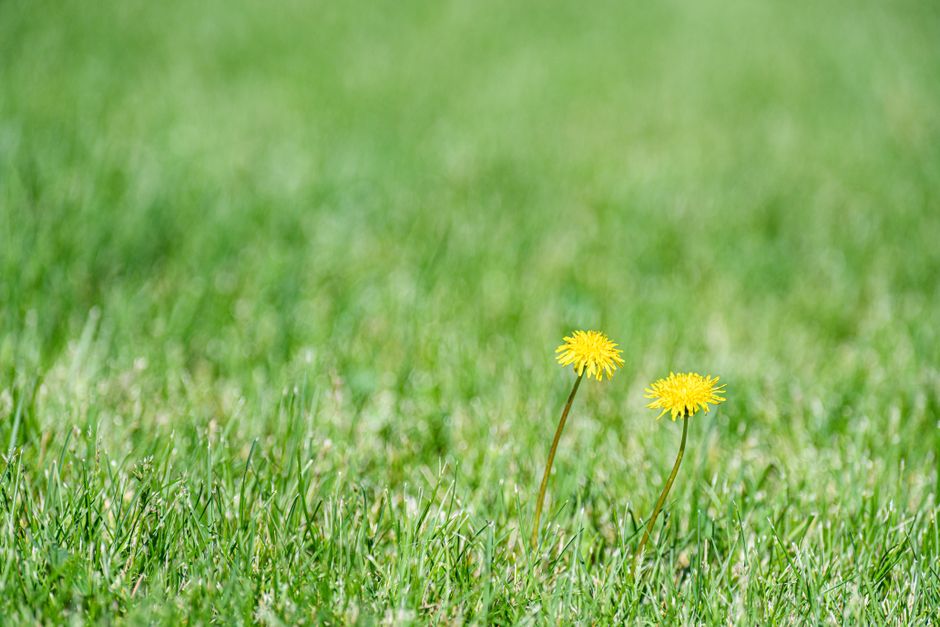
Dandelion is deep-rooted and persistent. Hand weeding works if you get the full taproot, which requires a long-handled weeder. Selective broadleaf herbicides are effective. Dandelions tend to reappear in the same spots — areas of thin grass or compacted soil are more susceptible. Addressing the underlying condition (thin lawn, compaction) produces a more permanent result than just treating the weed.
Creeping oxalis
Creeping oxalis (Oxalis corniculata) is small, low-growing, and extremely persistent. It spreads both by seed and by runners. It is one of the harder weeds to control because the seeds ripen and are expelled explosively when touched. Selective herbicides work, but repeated applications are often needed. Regular mowing helps by removing seed heads before they ripen.
Lawn full of weeds and not sure where to start?
We can assess what you are dealing with and recommend the right treatment. Get a free quote from a local team.
Common grassy weeds in Melbourne lawns
Winter grass (Poa annua)
Winter grass germinates in autumn and grows vigorously through Melbourne's winter and spring when most warm-season lawn grasses are dormant. It appears as bright green, fine-leafed clumps in a lawn that is otherwise brown and dormant. Pre-emergent herbicides applied in autumn (before germination) are the most effective control. Post-emergent options for winter grass in warm-season lawns are limited and require careful label reading for compatibility with your grass type.
Crabgrass
Crabgrass germinates in warm soil conditions and grows aggressively through spring and summer. It is easily identified by its low, spreading growth habit and coarser leaf texture than most lawn grasses. Pre-emergent herbicides applied in late winter before soil temperatures rise control it effectively. Post-emergent crabgrass control is harder.
Paspalum
Paspalum is coarser than most lawn grasses and forms clumps that are immediately visible as different from the surrounding turf. Spot treatment with non-selective herbicide (glyphosate applied carefully to individual clumps) is the practical approach. Do not apply non-selective herbicide broadly across the lawn — it will kill the good grass along with the paspalum.
The most effective long-term weed control: a thick, healthy lawn
The single most effective long-term weed control measure for a Melbourne lawn is maintaining thick, healthy grass. A dense lawn with a full canopy shades the soil surface and denies weed seeds the light they need to germinate. A thin lawn with gaps, bare patches, and stressed grass is an open invitation to every opportunistic weed species that has its seeds blown in by wind or carried in by birds.
Regular mowing at the right height, appropriate fertilising, and addressing bare patches as they appear — see our guide on fixing dead patches in Melbourne lawns — are the fundamentals of a genuinely weed-resistant lawn.
FAQ: Lawn weeds in Melbourne
What is the best weed killer for Melbourne lawns?
The right herbicide depends on the weed type and your lawn grass type. Selective broadleaf herbicides (containing products like MCPA or bromoxynil) are safe for most warm-season grasses and control dandelion, clover, and oxalis. Pre-emergent herbicides for winter grass or crabgrass need to be applied at the right time of year. Always read the label for compatibility with your grass type before applying.
Why does my Melbourne lawn have so many weeds?
A high weed density usually indicates underlying lawn health issues. Thin grass (from scalping, irregular mowing, or drought stress), bare patches, poor soil condition, and low fertility all create opportunities for weeds. Treating the weeds without addressing the underlying lawn health results in weeds growing back in the same locations.
When is the best time to spray bindii in Melbourne?
June to August — before the plant sets seed. Bindii produces seeds in late September to October. Spraying after seeds have formed does not remove the seeds already in the soil. Treating bindii in winter when the plant is still in its flat rosette growth stage is the only effective approach.
Can a lawn full of weeds be recovered?
Depends on the composition. If more than 50 percent of the lawn is still your intended grass species (just with weeds mixed in), weed treatment followed by good lawn care practice is often effective. If the lawn is predominantly weeds with almost no original grass, stripping and re-turfing may be the more practical and faster solution.
